
Walkie-Talkie Etiquette on Set
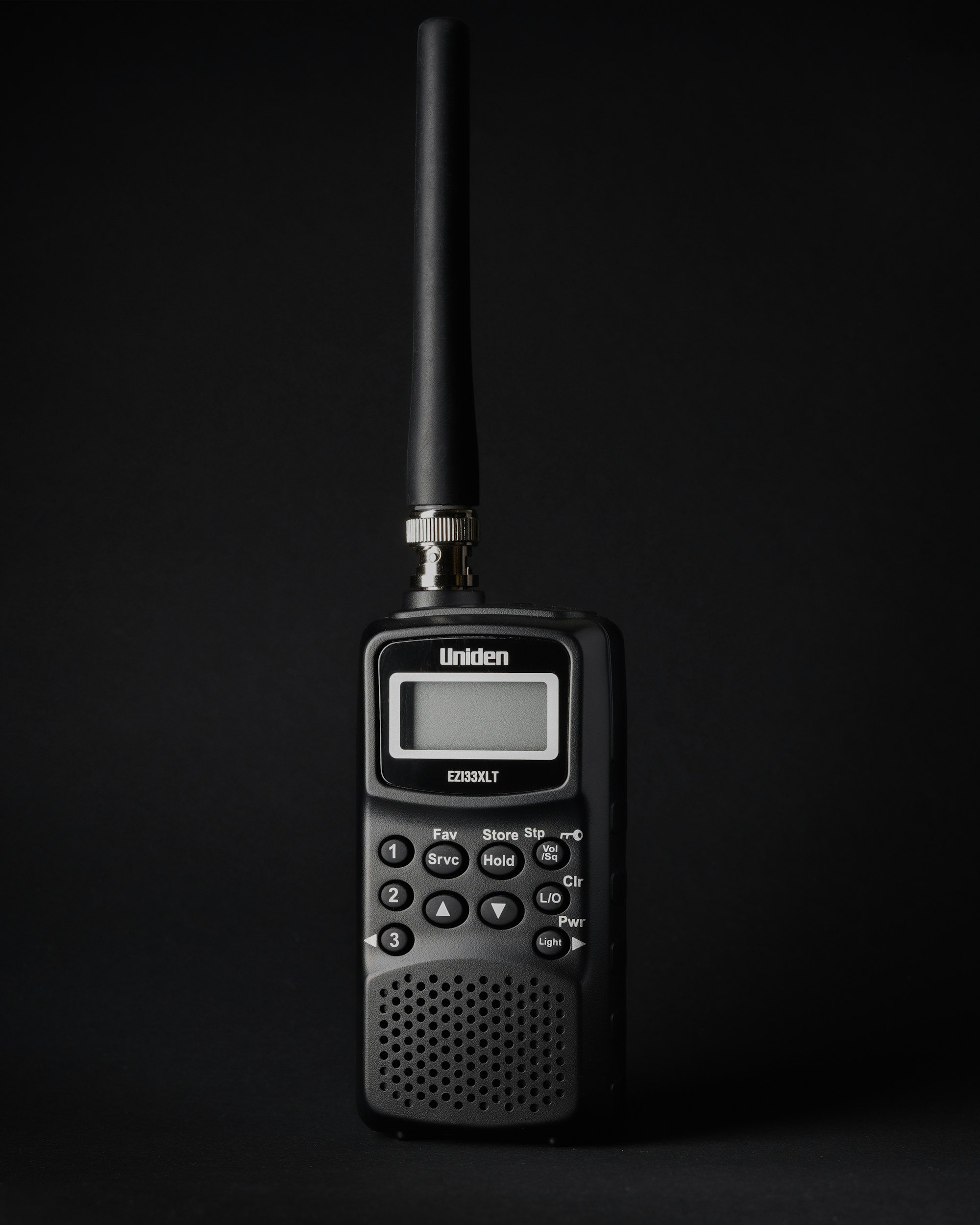
A 1st Assistant Director’s Guide for PAs, Crew, and Department Heads
On a film or television set, the walkie-talkie is more than a tool — it’s the nervous system of the production. When walkies are used correctly, the day runs smoothly. When they’re abused, misunderstood, or ignored, the entire set feels it.
After years of calling roll, locking up locations, managing background, and juggling departments, I can tell you this: good walkie etiquette separates a professional crew from a chaotic one. Whether you’re a brand-new Production Assistant or a seasoned department head, these fundamentals matter.
Why Walkie Etiquette Matters
Film sets move fast. Walkies exist to:
Share time-sensitive information
Coordinate safety and logistics
Keep departments aligned without shouting
Poor walkie habits waste time, clog channels, and create confusion — especially when the AD team is managing a hundred moving pieces.
Core Walkie Rules (Non-Negotiable)
1. Listen Before You Talk
Always pause for a second before keying up.
If someone is mid-sentence, wait. Cutting people off causes missed information and frustration.
Pro tip: If the channel sounds busy, it probably is.
2. Think, Then Speak
Know exactly what you’re going to say before you press the button.
Rambling ties up the channel and slows down the entire set.
Bad:
“Uhh… hey… so I was just checking to see if maybe…”
Good:
“Lockup confirmed at Main and Pearl.”
3. Keep It Short and Clear
Walkies are not phones. They’re not for conversations, jokes, or commentary.
If the message can’t be said in one or two sentences, it probably doesn’t belong on the channel.
4. Identify Who You’re Calling
Always say who you’re calling first, then who you are.
Correct format:
“First AD, this is Lockup PA.”
Wait for acknowledgment before continuing.
5. Don’t Say “Over”
Film crews aren’t the military. Saying “over” isn’t wrong — it’s just unnecessary.
Clear, concise language wins every time.
6. Volume and Mic Discipline
Keep your walkie at chest level, not at your mouth
Speak normally — don’t shout
Avoid wind, clothing rub, or eating into the mic
Your breathing does not need airtime.
7. Respect Channel Hierarchy
Most sets follow something like this:
Channel 1 – ADs / Key communication
Channel 2 – Production / PAs
Channel 3 – Locations / Lockups
Channel 4+ – Departments (Grip, Electric, Art, etc.)
If you don’t belong on Channel 1, don’t speak unless necessary.
Essential Walkie Lingo Every Crew Member Should Know
AD & Set Control Terms
“Copy” – I heard and understood
“Go for ___” – I’m listening
“Stand by” – Pause, more info coming
“Hold” – Stop movement/action
“Flying in” – Someone is approaching set
“Lock it up” – No movement/noise
“Picture’s up” – Camera rolling imminently
“Rolling” – Cameras are rolling
“Cut” – Take is finished
Production Assistant Staples
“Copy” – Message received
“Checking” – I’m actively verifying
“On it” – Task accepted
“Negative” – No / cannot confirm
“Affirmative” – Yes / confirmed
“Walking” – I’m on my way
Location & Safety Language
“Lockup confirmed” – Area is secured
“Pedestrian traffic” – Civilians approaching
“Vehicle approaching” – Cars moving nearby
“Breaking lockup” – Lockup is ending
What NOT to Say on Walkies
Personal opinions
Complaints
Sarcasm or jokes
Names of sensitive talent issues
Anything you wouldn’t want played back in a production meeting
Remember: walkies are recorded in people’s memories.
Pro Tips from the AD Team
If it’s complicated, walk it instead of talking it
If it’s sensitive, don’t say it on the radio
If you’re unsure, ask your Key PA or AD privately
When in doubt, less is more
Final Word
Great walkie etiquette shows respect — for the crew, the process, and the clock. It keeps the day moving, the set calm, and the production professional.
If you want to stand out as a PA or earn trust as a department head, start here.
Clear communication is quiet leadership.
And remember:
If everyone talks, no one hears anything.
Stay sharp. Stay efficient. Copy that. 🎬📻
